
 Itai Liptz
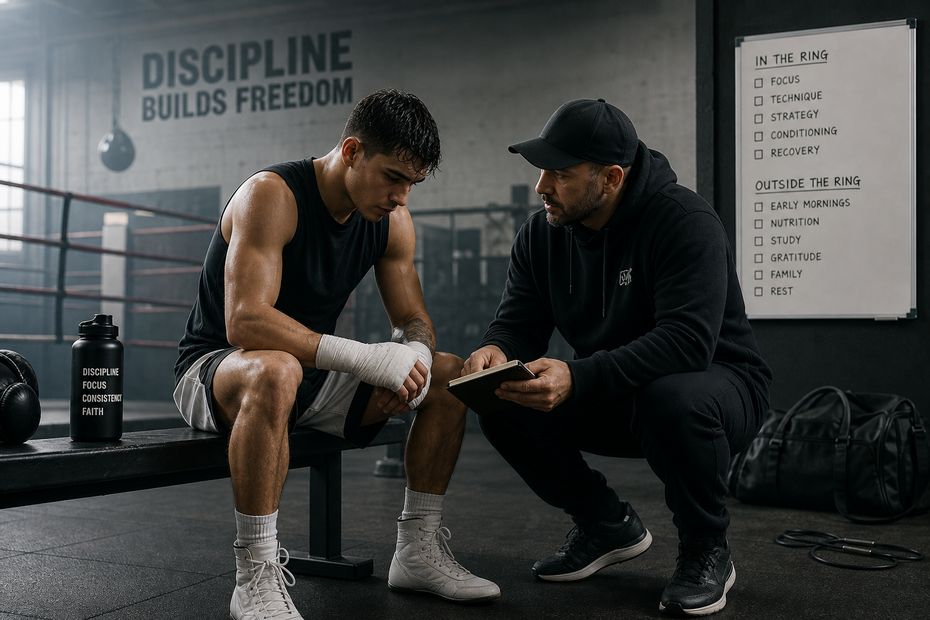
Fighter discipline is built through ordinary daily choices, then tested during training and competition. When you teach a fighter to manage sleep, preparation, emotions, responsibilities, and recovery, you build the self-control needed to follow a game plan under pressure.
Late nights, missed meals, unfinished schoolwork, poor timekeeping, and ignored recovery can feel separate from combat sports. They aren’t. This article explains how you can develop disciplined fighters through realistic routines, fair accountability, and coaching methods that strengthen trust rather than depend on punishment.
Why Is Discipline the Hidden Foundation of Fighting?
Discipline makes skill dependable. A fighter may have speed, strength, and natural timing, but those qualities become less reliable when preparation changes from one day to the next.
Inside the ring, a fighter must listen, control pace, defend with patience, and resist careless reactions. Those actions draw on the same self-control used to arrive on time, complete planned work, and prepare equipment before training. If a fighter regularly chooses short-term comfort outside the gym, choosing patience under pressure becomes harder. Daily discipline gives the fighter repeated practice in doing what the plan requires.
This is why discipline shouldn’t be treated as a fixed personality trait. You build it by setting a standard, repeating the right behavior, reviewing the result, and correcting small failures before they become patterns. Talent can create an early advantage, but athletic discipline determines whether the fighter can train reliably enough to develop that talent. Your goal is to make dependable behavior normal, not occasional.
What Does Discipline Outside the Ring Actually Look Like?
Discipline outside the ring means keeping commitments when a coach isn’t watching. It appears in punctuality, preparation, emotional control, honest communication, and responsible choices at home, school, or work.
A disciplined fighter doesn’t need a perfect day. The real test is whether the fighter follows the agreed routine most days and responds constructively after a mistake. Missing one alarm calls for an adjustment to bedtime or phone use, not a string of excuses. Forgetting equipment calls for a packing routine, not blame directed at someone else.
You also need to separate discipline from obedience. Obedience asks a fighter to follow an order in the moment; discipline teaches the fighter to understand the standard and manage it independently. That difference matters because a coach can’t supervise every meal, bedtime, assignment, or social decision. Good character development produces fighters who make sound choices without constant monitoring.
Which Daily Habits Carry Into the Ring?
The most useful boxing habits support consistency: keeping a regular sleep schedule, preparing food and equipment, arriving early, recording training, and completing recovery tasks. These non-training habits reduce rushed decisions and help the fighter bring steadier attention into the gym.
Preparation starts before the session. A fighter who packs gloves, wraps, water, and training clothes ahead of time removes preventable distractions from the day. A simple calendar can also protect study, work, meals, travel, and rest periods. When the schedule is visible, the fighter can plan instead of reacting to every demand at the last minute.
Daily discipline also includes managing digital distractions and social commitments. The goal isn’t isolation or rigid control; it’s teaching the fighter to protect agreed priorities. Finishing responsibilities before entertainment builds delayed gratification, and stopping screen use at a planned time supports a steadier evening routine. These choices train the same pause-and-decide skill needed when an opponent creates pressure.
How Can Coaches Build Self-Control Without Breaking Motivation?
You build self-control by giving fighters specific standards, reasonable choices, and regular feedback. Firm coaching works best when the athlete knows what is expected, why it matters, and what happens when the standard isn’t met.
Start with a small number of behaviors that can be observed. “Be more disciplined” is too vague to guide action. “Arrive ten minutes early with your equipment ready” gives the fighter a behavior that can be repeated and measured. Once that habit becomes stable, you can add another expectation without overwhelming the athlete.
Give fighters some ownership over the routine. You can set the performance standard and let the athlete choose how to meet it, perhaps through a paper checklist, phone reminder, or packed bag by the door. This preserves autonomy without lowering expectations. It also improves the coach-athlete relationship because accountability becomes a shared process rather than a contest for control.
What Mistakes Undermine Fighter Discipline?
Inconsistent rules, public humiliation, vague criticism, and punishment without teaching can weaken discipline. These methods may produce short-term compliance, but they don’t show the fighter how to manage the same problem independently.
One common mistake is enforcing a standard only after a loss or poor training session. If punctuality matters, it should matter after a win, during an ordinary week, and when the fighter is performing well. Selective enforcement teaches athletes that rules depend on the coach’s mood. Consistent expectations make the training environment easier to understand.
Another mistake is treating every failure as a character flaw. A missed session could reflect poor planning, unclear communication, competing responsibilities, or a weak routine. You still hold the fighter accountable, but you identify the failed process before assigning a consequence. Correct the cause, rehearse the better action, and check whether the change lasts.
How Do You Track Progress Beyond Wins And Losses?
You can measure fighter discipline through attendance, punctuality, preparation, communication, routine completion, and responses to feedback. Wins and losses show competition outcomes, but they don’t reveal every improvement in daily behavior.
Use a short training log that the fighter can maintain without turning it into homework. The record can include arrival time, session goal, effort quality, one technical note, and whether planned responsibilities were completed. Keep the entries brief enough to sustain. A tool that is ignored after three days won’t help you build accountability.
Review the log weekly and look for patterns rather than isolated mistakes. A fighter who arrives late every Monday may need a better weekend routine, transportation plan, or work schedule. A fighter who loses focus near the end of sessions may need to review preparation and pacing. Track the adjustment, compare the following week, and praise reliable execution rather than empty promises.
What Discipline Standards Fit Youth And Amateur Fighters?
Standards should match the fighter’s age, responsibilities, experience, and level of independence. Youth fighters need clear routines and adult support, and older amateurs should carry more responsibility for planning, communication, and preparation.
For a younger athlete, discipline can mean packing equipment with a parent, following a bedtime routine, completing school responsibilities, and speaking respectfully after a correction. The coach should use simple instructions and immediate feedback. Parents can support the same expectations at home without turning every household issue into a boxing matter. Shared language helps the young fighter understand what responsible behavior looks like.
An older amateur can manage a calendar, report scheduling conflicts early, record training goals, and take ownership of equipment and recovery routines. Increased independence should come with increased accountability. If the fighter wants more freedom, the fighter must show reliable decision-making. This balance teaches life skills through sport rather than demanding silent obedience.
How Can You Build Fighter Discipline Over 30 Days?
A 30-day plan should begin with one or two visible behaviors, then add responsibility as consistency improves. The purpose is to create repeatable routines, not to force a sudden personality change.
During the opening week, record current behavior without adding many new rules. Track arrival time, equipment preparation, daily responsibilities, and communication. During the second week, choose the weakest repeated behavior and build a simple routine around it. If equipment is often forgotten, create a packing checklist and require the bag to be ready the night before.
During the third week, add a self-control goal tied to emotional regulation or delayed gratification. The fighter could pause before responding to correction, finish school or work tasks before entertainment, or keep a planned evening routine. During the closing days, review what became reliable, what still needs support, and which habit should continue into the next month. Keep standards that improve preparation, and remove tracking that adds work without changing behavior.
How Do Parents And Coaches Work Together?
Parents and coaches build stronger fighter discipline when they agree on a few shared standards and communicate without placing the athlete between them. The coach manages sport expectations, and the parent supports routines that affect attendance, preparation, and responsibility.
Communication should stay factual. Instead of labeling a young fighter lazy or disrespectful, describe the behavior: missed practice without notice, forgotten equipment, or repeated interruptions during instruction. Specific language gives everyone a problem that can be addressed. Labels tend to create defensiveness and make correction harder.
The fighter should also take part in age-appropriate discussions. Ask what disrupted the routine, what adjustment will be made, and how progress will be checked. This keeps responsibility with the athlete instead of allowing adults to solve every problem behind the scenes. Over time, the fighter learns to communicate early, repair mistakes, and follow through.
How Can Coaches Build Discipline Outside The Ring?
- Set steady routines for sleep, meals, work, and study.
- Use brief training logs and weekly reviews.
- Teach delayed gratification and social boundaries.
- Connect daily habits to performance under pressure.
Make Discipline Part Of The Fighter’s Identity
Fighter discipline grows when daily standards remain specific, consistent, and connected to performance. You don’t need endless rules or harsh punishment; you need routines the fighter can understand, complete, and eventually manage alone. Track preparation as carefully as physical progress, correct failed processes without attacking character, and increase responsibility as reliability improves. When coaches and parents reward follow-through, honest communication, and emotional control, the fighter learns that discipline reaches far beyond training. That fighter enters the ring prepared to follow a plan because following a plan has already become part of daily life.