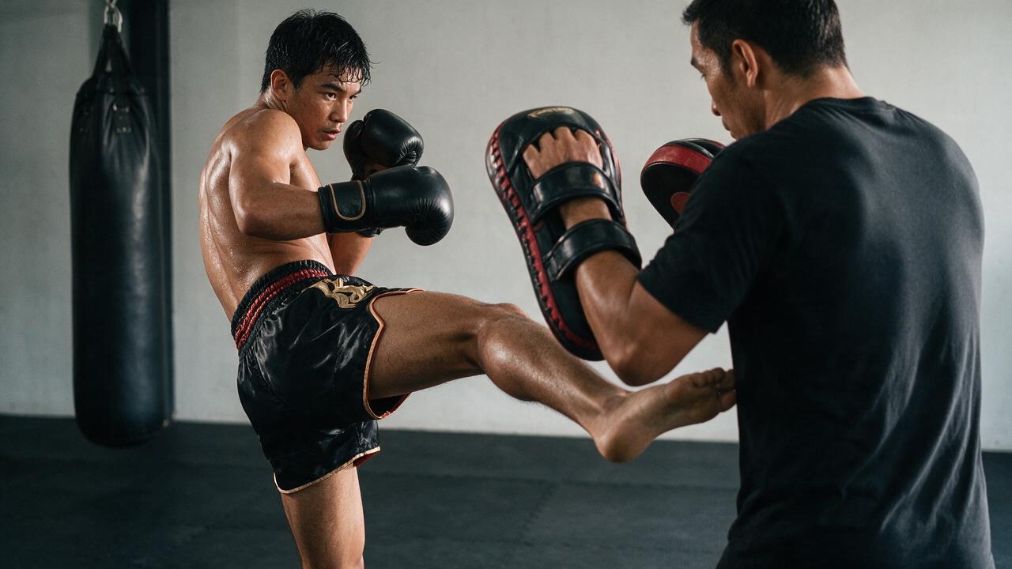
Muay Thai Kicks Explained for Spectators
Learn the difference between a teep, a roundhouse, and a low kick, and follow a Muay Thai round using official scoring rules and a spectator’s scorecard.

Learn the difference between a teep, a roundhouse, and a low kick, and follow a Muay Thai round using official scoring rules and a spectator’s scorecard.
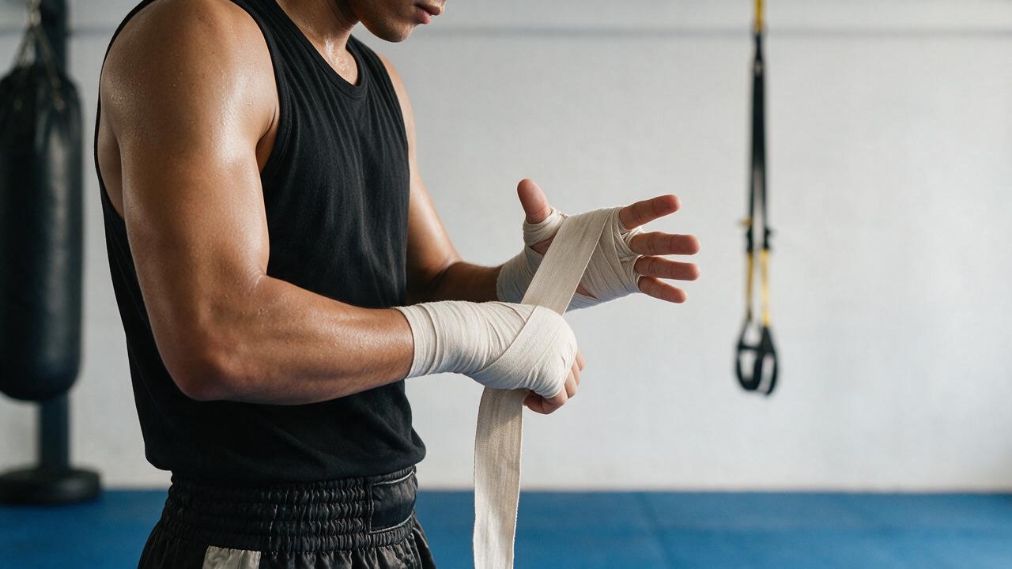
Learn Muay Thai hand wrapping with clear steps for wrist, knuckle, thumb support, tension checks, and glove fit.
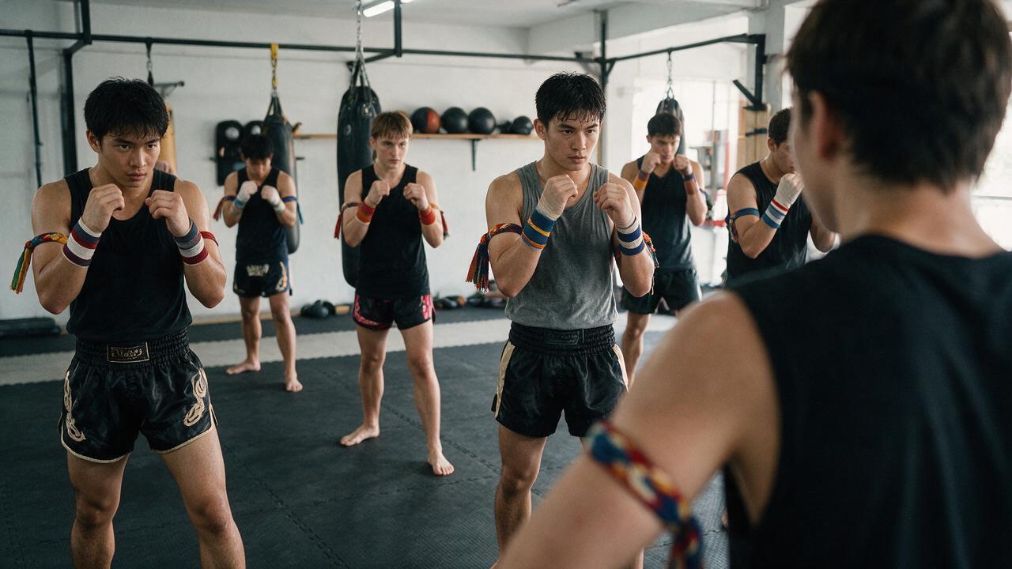
Learn how Muay Thai ranks, armbands, Khan grades, and gym promotions work, and why there is no universal belt system.

A practical Muay Thai training schedule gives beginners three to four training days per week and amateur fighters five to six, with session length and intensity matched to skill, conditioning, and recovery. Your routine should build…

The Muay Thai clinch is a close-range position where you control an opponent’s posture, arms, and balance to create knees, angles, sweeps, or safe exits. Strong clinch work depends on upright posture, inside control, steady footwork,…
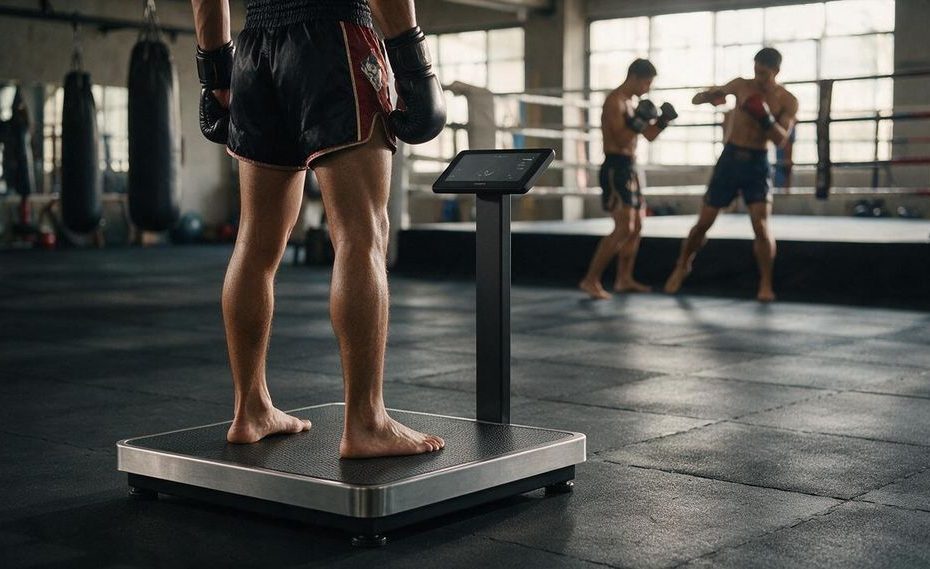
Muay Thai weight classes are set by the organization running the bout, so there is no universal division chart. You must match your body weight to the exact ruleset used by World Boxing Council Muay…

Muay Thai benefits your body by improving total-body fitness and gives your mind a demanding, repeatable task that supports focus, confidence, and stress relief. World champion Petchboonchu’s teaching advice shows that these gains come from focused, coachable,…

Losing forward means turning a defeat into specific technical, tactical, and mental improvements without allowing one result to define your ability or worth. In combat sports, a loss becomes useful when you review it honestly, recover properly,…

Fight camp discipline habits translate into everyday life by turning discipline into scheduled, repeatable actions you can perform under pressure. You don’t need to compete, spar, or live in a gym to use the same principles that…

A lifelong martial artist is built through steady adaptation: you start with basic movement, keep returning through life’s interruptions, and let training change as your body changes. Starting at age seven can give you a…

A pre-fight mental routine is the short, repeatable sequence fighters use to calm nerves, rehearse the plan, control energy, and enter the cage or ring ready to perform. The goal isn’t to erase fear; it’s to…

Martial arts respect discipline is taught through repeated habits: listening before moving, bowing before training, controlling force with partners, and returning to practice when progress feels slow. The mat becomes a classroom where young fighters learn…

A Muay Thai training philosophy developed over 30 years teaches you to train for skill, control, recovery, and respect rather than daily punishment. The best long-term fighters don’t just survive hard rounds; they learn how to…